Medellín has rapidly evolved into one of Latin America’s most dynamic business and innovation hubs, drawing a global mix of digital nomads, entrepreneurs, and multinational teams. The city’s perfect climate, affordable cost of living, and strong infrastructure make it an obvious choice for remote work, but what truly amplifies its appeal is the growing demand for high‑quality, flexible meeting environments. In the bustling Ciudad del Río district, a new generation of spaces is replacing the stale, windowless boardroom with energizing surroundings designed to boost creativity, collaboration, and serious deal‑making. Whether you are closing a funding round, leading a remote workshop, or running a strategic planning session, the right room can completely transform the outcome — and the experience.
The New Business Pulse of Medellín: Why Location Matters for Your Next Meeting
Medellín’s transformation from an industrial powerhouse to a thriving innovation corridor has supercharged the way local and international professionals think about where they meet. Neighborhoods like Ciudad del Río now blend residential calm with a dense concentration of design studios, tech startups, creative agencies, and co‑working communities. Choosing a meeting venue here means tapping into an ecosystem where ideas flow beyond the office walls. The area’s walkability is a strategic asset: after a morning session, you can step straight into third‑wave coffee shops, farm‑to‑table restaurants, or shaded plazas that make informal networking feel effortless. This walkable urban fabric reduces the logistical friction that often erodes the energy of a productive gathering.
Access is another factor that sets the district apart. Located next to the Industriales metro station and major bus routes, Ciudad del Río connects seamlessly to both domestic and international visitors arriving at José María Córdova Airport via the nearby highway. For teams that bring together remote members, clients from El Poblado, and collaborators from Laureles, the area’s central positioning minimizes travel time and makes scheduling far simpler. The neighborhood itself projects a sense of safety and forward‑thinking urban design, with wide bike lanes, tree‑lined streets, and a visible commitment to sustainable development that aligns with the values many modern companies want to reflect when they host guests. When you add Medellín’s year‑round spring‑like weather, you foster an environment where post‑meeting conversations naturally drift to the outdoor terraces and green areas that many venues in the zone incorporate into their design. The result is a meeting culture that feels less transactional and more human — exactly the shift that today’s creative and tech‑driven businesses are looking for.
The concentration of professional services nearby further amplifies the neighborhood’s utility. Attorneys, branding consultants, software development firms, and financial advisors all maintain a presence within a few blocks, which means a multi‑purpose business trip can unfold without jumping in a taxi between appointments. For entrepreneurs, this proximity creates serendipitous connections, turning a simple room booking into a gateway to a larger network. In Medellín, the location you choose for your meeting is not just a backdrop; it becomes part of the value proposition, reinforcing a message of innovation, accessibility, and smart growth.
Designing Meetings for Impact: Essential Features of a Productive Meeting Room
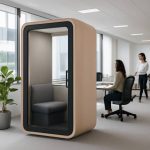
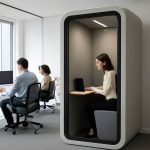
An inspiring location is just the starting point. What happens inside the room—and the invisible infrastructure that supports it—determines whether participants leave feeling energized or exhausted. Professionals who regularly book Meeting rooms in Medellin quickly learn to look beyond a nice table and a few chairs. The most effective spaces integrate characteristics that directly reduce friction and amplify focus. Top of the list is acoustic privacy. In an era of distributed teams and constant video calls, a room that leaks sound undermines confidentiality and disrupts concentration. Soundproof booths and insulated walls are no longer luxuries; they are the bare minimum for negotiating sensitive contracts, leading investor updates, or holding candid one‑on‑ones. Equally critical is the quality of the digital backbone: reliable, high‑speed internet with symmetrical upload and download speeds ensures that screen sharing, high‑definition video conferences, and large file transfers happen without the awkward “you’re frozen” interruptions that can deflate a pitch.
Beyond connectivity, the physical layout and furniture shape the room’s emotional register. Ergonomic chairs that support the lower back during a three‑hour workshop prevent the fatigue that leads to mental drift. Surfaces with ample space for laptops, notebooks, and prototypes let participants spread out without feeling cramped. Flexibility in seating arrangements is equally valuable — a room that can shift from a theater‑style setup for a team all‑hands to a circular boardroom layout for collaborative decision‑making adapts to the purpose, not the other way around. Natural light deserves special mention: ample daylight, whether filtered through large windows or cleverly oriented glass panels, has been repeatedly shown to boost mood and cognitive performance. Spaces in Medellín’s Ciudad del Río that lean into this by exposing greenery or city views turn a standard meeting into an experience that attendees remember favorably.
Additional amenities might seem peripheral, but they have an outsized impact on the rhythm of a session. Unlimited coffee and filtered water kept within arm’s reach eliminate the need for frequent breaks and maintain a steady energy level. Integrated printing facilities allow for last‑minute revisions of slide decks or the signing of physical documents without a frantic search for a nearby copy shop. For hybrid meetings, built‑in high‑quality cameras, clear speakerphones, and large displays become the bridge that makes remote participants feel as present as those in the room. The best‑designed spaces also bake in small considerations like ample power outlets at every seat, adjustable lighting, and even a dedicated quiet zone where someone can take a private call without awkwardness. When all these elements come together, the room itself starts to work for the team, dissolving distractions so that the real work — strategic thinking, creative problem solving, and genuine human connection — can take center stage.
Beyond the Four Walls: Creative Spaces and Unconventional Venues for Collaboration
While a flawlessly equipped boardroom remains essential, many of Medellín’s most productive meetings now unfold in environments that deliberately break the traditional mold. The rise of creative rooms and adaptable event spaces reflects a deeper understanding of how different stages of a project demand different atmospheres. Brainstorming sessions, for example, thrive in rooms with writable walls, mobile whiteboards, and a more relaxed, lounge‑like feel that signals psychological safety. A startup preparing its go‑to‑market strategy might move from a focused six‑person room where they finalize financial projections to a larger open‑plan studio filled with modular furniture and soft seating, where they can prototype ideas on their feet. Access to this kind of variety within a single venue saves precious time and keeps creative momentum alive.
A particularly compelling offering in the Ciudad del Río area is the presence of an open‑air theatre or multi‑purpose event space that can host product launches, training days, or company‑wide celebrations. Picture a tech company flying in remote engineers from across Latin America for a quarterly offsite. They might use a twelve‑ to fourteen‑person meeting room for morning strategy deep‑dives, then transition to the outdoor theatre for an afternoon keynote followed by a networking session under Medellín’s eternally mild sky. This fluid movement between settings turns the day into a journey rather than a single‑note marathon. The sustainable design elements often found in these venues—recycled materials, abundant plants, solar energy features—add a layer of meaning for teams that prioritize environmental responsibility, making the space an implicit statement of shared values.
Flexibility extends to booking models as well. Not every business needs a permanent office, but nearly every professional occasionally needs a credible place to meet a client, host a workshop, or conduct interviews. Hourly and daily rental options allow freelancers and growing agencies to access premium infrastructure without the overhead of a long‑term lease. A financial consultant visiting Medellín for a series of client reviews can reserve a soundproof booth for focused video calls in the morning and a larger meeting room for a collaborative afternoon session, all while enjoying the community perks of a coworking‑style environment — among them, free‑flowing coffee, high‑speed printing, and the organic networking that happens in shared lounges. That blend of professional presentation and dynamic, human‑centered design is exactly what sets today’s most sought‑after meeting spaces apart. Whether you are mapping out a new product sprint, delivering a closing presentation, or bringing a distributed team together for the first time in months, the right environment does more than house a gathering — it elevates it into a moment of genuine connection and measurable progress.